Saving the public portal for offline reading… Keep this page open until it’s ready.
Keep Torah University close.
iPhone or iPad: Open this page in Safari. Tap Share, then Add to Home Screen. Leave Open as Web App on if shown, then tap Add.
Android: Open this page in Chrome. Tap Install app above when offered, or choose Add to Home screen / Install app in Chrome’s menu.
Computer: Use the install icon in Chrome or Edge’s address bar. In Safari on Mac, choose File → Add to Dock.
Open the saved icon once with internet and wait for “Saved for offline.” Your saved learning, bag and preparation checklist stay on this device. Browser storage can be cleared, so keep a PDF for a lasting copy.
Read the lesson. Take a practical step. Open a resource when you want to go deeper. Follow your family’s and community’s customs; bring individual halachic questions to your rabbi.
01
Begin with intention
Know the days. Make room for the year.
Rosh Hashanah begins the Jewish year with prayer, accountability and hope. We recognize Hashem as King, examine the direction of our lives and ask for a good, sweet year. Preparation makes room for both the practical mitzvot and the inner work.
In 2026, the holiday begins Friday evening, September 11, and ends Sunday night, September 13. The first day is also Shabbat. That changes the shofar schedule, candle lighting and the transition into the second night. Use local times for your own city.
Your next steps
Write down your local Friday candle-lighting time and Saturday/Sunday nightfall times.
Plan to hear shofar in person Sunday, September 13, during the day. No shofar on Shabbat.
Choose one relationship, habit or mitzvah you want to strengthen.
PAUSE & REFLECTWhat would make this year more purposeful for you?
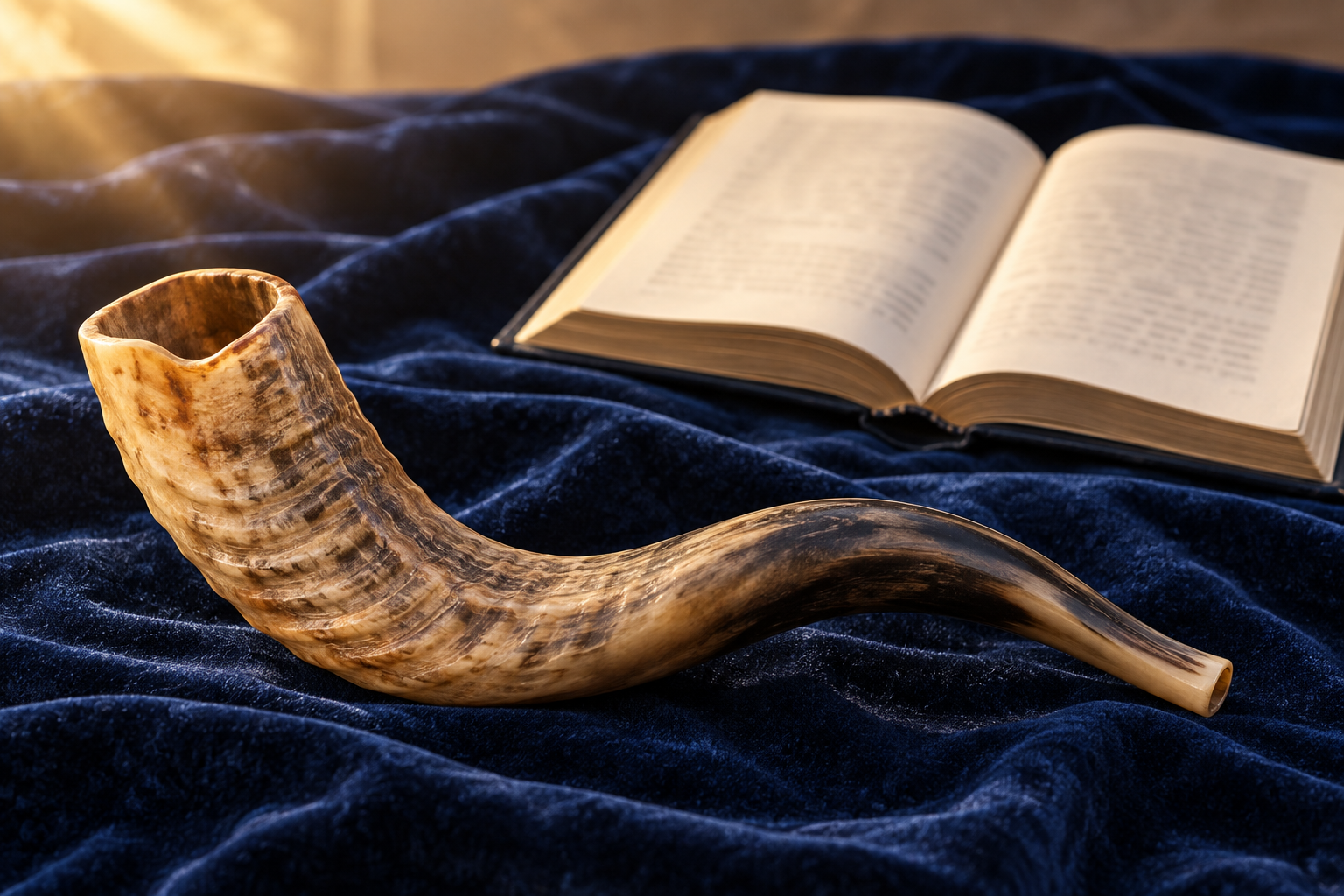
The shofar’s simple sound calls us to wake up, return to Hashem and listen with our whole attention. Its three familiar forms are tekiah, a sustained note; shevarim, three broken notes; and teruah, a series of short sounds.
This year the shofar is heard on Sunday, September 13, during the day. It is not blown on Shabbat, September 12. Hearing a recording or livestream does not fulfill the mitzvah. If attending services is difficult, contact a local rabbi now to arrange an in-person opportunity.
Your next steps
Use the service finder and confirm the actual Sunday shofar time with the host.
Arrange access, a walking route and any assistance you need before the holiday.
At the blowing, intend to fulfill the mitzvah and listen without talking.
PAUSE & REFLECTWhat is the shofar asking you to pay attention to?
Selichot are prayers asking for mercy and forgiveness. Different communities follow different calendars and prayer texts: many Sephardi communities begin in Elul, while Ashkenazi communities begin shortly before Rosh Hashanah. Follow your community’s practice.
A useful first step in teshuvah is honest specificity. Identify something to stop, acknowledge it before Hashem and choose a concrete better response. Where another person was harmed, work to repair the harm and seek forgiveness. Prayer should lead into action.
Your next steps
Find a local Selichot service or review the text before the holiday.
If praying alone, ask which sections require a minyan, including the communal Thirteen Attributes.
Take one practical step to repair a relationship or change a repeated habit.
PAUSE & REFLECTWhat can you begin repairing today?
A festive meal can make the holiday feel warm, generous and real. Start with a manageable menu and the people you hope to welcome. Simple food served with attention can carry a great deal of joy.
Because the holiday opens on Shabbat, finish the Shabbat cooking and essential preparations before Friday candle lighting. Do not prepare on Shabbat for the second night; wait until Saturday nightfall. The second day’s cooking and warming still follow Yom Tov rules, so plan unfamiliar details with your rabbi before the holiday.
Your next steps
Plan meals for both days, including children and anyone with dietary needs.
Shop, cook and set out what you can before Friday.
Invite someone who might otherwise spend the holiday alone.
PAUSE & REFLECTWho would feel cared for at your table?
Many communities perform Hatarat Nedarim, the annulment of vows, before Rosh Hashanah, commonly after the morning prayers on the eve of the holiday. It is conducted before a qualified panel using the appropriate text.
This is a serious halachic procedure, not a blanket cancellation of responsibilities. A specific vow, commitment or obligation may need an individual ruling. The broader lesson is practical: make commitments thoughtfully, keep your word and seek proper guidance when something cannot be fulfilled.
Your next steps
Ask your synagogue when and how it arranges Hatarat Nedarim.
Read the text in a language you understand before participating.
Bring questions about a specific vow to a competent rabbi.
PAUSE & REFLECTWhich commitment needs a realistic plan rather than another promise?
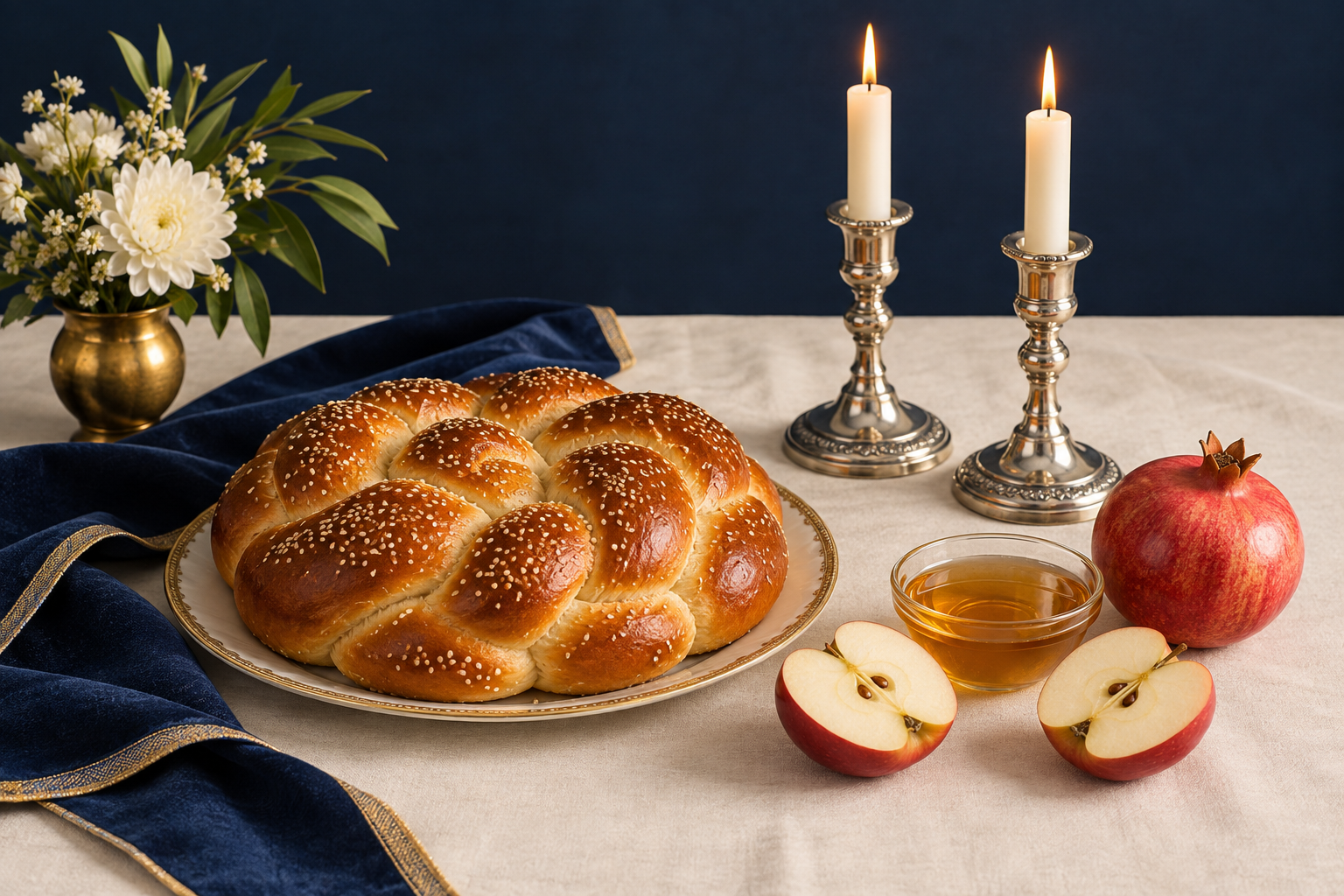
The symbolic foods of Rosh Hashanah give our hopes a place at the table. Apples with honey express our request for a good, sweet year. Pomegranates evoke abundant mitzvot. Round challah and other simanim carry meanings that vary by family and community.
Follow your family’s established customs and use the appropriate blessings and requests. The symbols invite us to participate in the goodness we ask for: kinder words, generous choices and a table that makes room for others. A new fruit is commonly prepared for the second night.
Your next steps
Prepare challah, wine or grape juice, apples, honey and the simanim your household uses.
Print the meal prayers; mark the Shabbat additions for Friday night.
Review Saturday night’s combined Kiddush–Havdalah order, called Yaknehaz, in your machzor.
PAUSE & REFLECTHow will you help make someone else’s year sweeter?
A machzor is the special prayer book for the holidays. Rosh Hashanah services include familiar prayers alongside distinctive poems, Torah readings and the Musaf themes of Malchuyot, Zichronot and Shofarot: kingship, remembrance and revelation through the shofar.
You do not need to understand everything at once. Find a translation, follow the congregation and choose a passage to say attentively. Asking for a page number or an explanation is part of learning. In 2026, the shofar portion belongs to Sunday’s service.
Your next steps
Confirm service times and obtain the edition of the machzor used by your congregation.
Bookmark the main prayers and read a short translation beforehand.
Choose one idea from the service or sermon to carry into the week.
PAUSE & REFLECTWhich prayer would you like to understand more deeply?
At Tashlich, we recite verses and prayers by water, reflecting on Hashem’s mercy and our desire to leave wrongdoing behind. Micah’s image of sins cast into the depths becomes an invitation to sincere change.
Many communities will perform Tashlich on Sunday afternoon, September 13, because the first day is Shabbat. Follow your local custom and walking/carrying rules. Throwing bread or feeding fish is not part of the ritual; do not throw food into the water. If you cannot attend then, ask about the later dates accepted by your community.
Your next steps
Find a suitable, accessible location and confirm your community’s time.
Print the prayer or mark it in your machzor before Friday.
Name one habit you want to release and the positive action that will replace it.
PAUSE & REFLECTWhat will you do differently when you leave the water?
Rosh Hashanah begins with Shabbat this year. The pause offers a chance to consider what gives the rest of life its direction. Prayer, learning and rest can shape the way we approach ordinary work and relationships.
Read a Torah teaching slowly, then make it practical. Choose a small, sustainable commitment: a regular time for study, a more attentive prayer, a weekly act of kindness or greater care with speech. Keep it realistic and avoid creating a vow. The aim is to carry the holiday’s clarity into daily life.
Your next steps
Set aside ten quiet minutes for a teaching before the holiday.
Choose one specific practice you can sustain after the holidays.
Bring a question or reflection into the Torah University community.
PAUSE & REFLECTWhat small practice would keep this inspiration alive?
Light the first night’s candles on Friday, September 11, at your local candle-lighting time before sunset. The blessing includes both Shabbat and the Day of Remembrance. On Saturday night, September 12, light only after local nightfall, using a flame that was lit before the holiday.
Prepare a suitable long-burning candle beforehand and place it securely, away from children and anything flammable. Do not kindle a new flame or extinguish the flame on Yom Tov. Check the blessing text for each evening and your household’s custom.
Your next steps
Look up your own city’s times; do not use another city’s clock time.
Set out both evenings’ candles and the printed blessings before Friday.
Light the long-burning source before the holiday and plan the Saturday-night transition.
PAUSE & REFLECTWhat would help your household enter the holiday calmly?
Tzedakah is part of preparing for a good year. It asks us to treat another person’s needs as a responsibility. A holiday meal, discreet financial help or practical assistance can make preparation possible for someone else.
Give monetary tzedakah before the holiday, when money can be handled. Respect the recipient’s dignity. During the holiday, kindness can continue through hospitality, attention and companionship. Choose a real need and a useful response, within your means.
Your next steps
Give to a trusted charitable cause or someone in need before Friday candle lighting.
Help a person arrange food, services or an in-person shofar opportunity.
Check in on someone who may be isolated.
PAUSE & REFLECTWhose holiday could become easier because of one action from you?
Prepare a short reading to bring to the holiday table or a quiet moment. Themes such as renewal, joy, responsibility and closeness to Hashem can help the prayers feel connected to daily life.
The linked readings explore the quiet of a Rosh Hashanah that begins on Shabbat and the prayer to be remembered for life. Read slowly, choose one idea to discuss and connect it with a practical change you want to make.
Your next steps
Choose and print a reading before Friday.
Underline one idea and prepare one discussion question.
Connect the idea to a concrete action for the new year.
PAUSE & REFLECTWhat possibility do you want to notice more readily this year?
Return to the essentials: your Sunday shofar plan, local candle times, a prepared table, a machzor and printed prayers, and one act of tzedakah. The checklist is useful when it leads to action.
Review the five essentials below and complete any unfinished preparations. Explore the additional quizzes and continue learning with Torah University. May the year bring growth, kindness and closeness to Hashem.
Your next steps
Review the five essentials and complete any unfinished preparation steps.
Save or print the course before the holiday.
Choose your next learning step and share one useful resource with someone who needs it.
PAUSE & REFLECTWhat is the next small action you will take today?
Hear the shofar in person on Sunday, September 13, 2026, during the day. No shofar on Shabbat, September 12.
2. Hear it in person
A recording or livestream does not fulfill the shofar mitzvah. Confirm the Sunday time with your host.
3. Light candles at the correct times
Friday: at your local candle-lighting time before sunset. Saturday night: after local nightfall, from a flame lit before the holiday.
4. Tashlich is prayer by water
Many communities go Sunday afternoon. Follow local custom; do not throw bread or feed fish.
5. Finish weekday preparations before Friday candles
Print prayers, give monetary tzedakah and finish Shabbat cooking before the holiday.
TAKE THE NEXT STEP WITH TORAH UNIVERSITY
Let the learning continue into your year.
A place to learn and grow.
Explore Torah University’s community and structured learning, from foundations to deeper Torah study. Bring your questions and build a steady practice.